

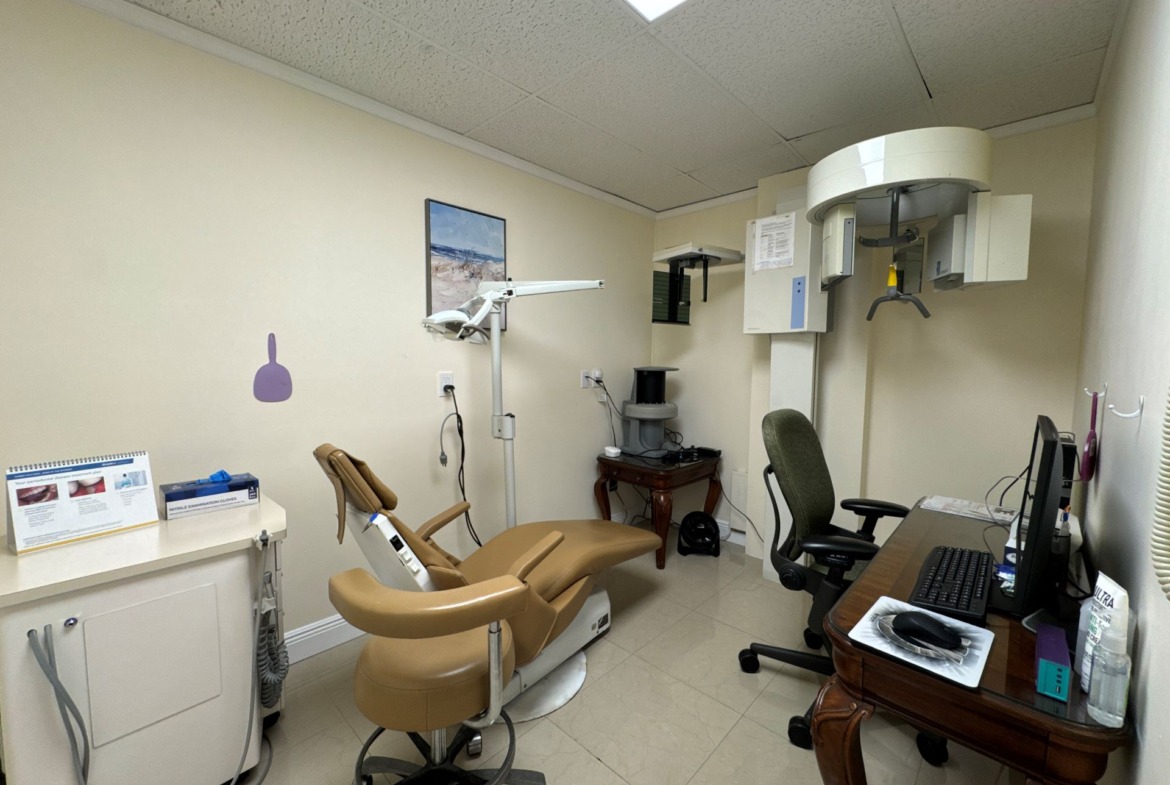
When selling a dental practice, understanding what your practice is really worth is the key to a successful sale. Whether you are retiring, relocating, or moving into another chapter of your career, proper valuation is important not only to bring in serious buyers, but to receive the reward you have worked for over a long period of time. At Dental Broker Florida, we have guided thousands of dentists throughout the state through this process confidently. In this guide, we demystify how to value your dental practice correctly with step by step.
Step 1: Understand What Buyers Are Looking For
Before diving into the numbers, it’s important to recognize what a potential buyer wants. Typically, buyers evaluate a practice based on profitability, location and patient base, operational systems in place, condition of equipment and facility, and growth potential.
The valuation process needs to reflect these core considerations. After all the value of your practice is not just in its assets, it’s in its earning potential and stability.
Step 2: Analyze Financial Performance
Start by gathering your financial documents from the past 3–5 years, including profit & loss statements, tax returns, balance sheets, production and collections reports, overhead breakdown.
Buyers want to be able to see consistent net income and revenue, with solid growth or stability at the least. Practices with high gross revenue that also have the same level of overhead will be worth less than thin, well-run practices with solid margins.
Numbers most commonly sought by buyers:
- Adjusted EBITDA (Earnings Before Interest, Taxes, Depreciation, and Amortization)
- Net collections compared to gross production
- Overhead as a % of collections (preferably under 60%)
- Cash Flow number as a percentage of Revenue. A healthy practice business may account for a number 35% & up
If your finances are in a mess or are obscure, it’s well worth paying an accountant or using a broker like ourselves to draw up a tidy, professional package.
Step 3: Evaluate Tangible Assets
The second step is going through tangible assets such as equipment, furnishings, dental chairs, x-ray machines, computers, and even leasehold improvements.
Consider:
- Equipment age and condition
- Level of technology (digital x-rays, intraoral scanners, paperless systems)
- Depreciation of equipment
Old or poorly maintained equipment will decrease your valuation, while modern and in working condition equipment can increase it. Add an inventory list with the estimated resale values to substantiate this portion of your appraisal.
Step 4: Assess Intangible Assets
This is where most of your practice’s true worth resides—in things that won’t appear on a balance sheet but generate long-term revenue.
- Size of patient base and retention rate
- New patient flow
- Referral patterns
- Quality and stability of staff
- Reputation and online presence
For instance, a 2,000 active patient practice with steady new patient flow will be immensely more valuable than one experiencing declining or uncommitted patient numbers. In the same vein, tenured employees who intend to remain after the sale can give assurance to purchasers regarding a smooth transition.
Step 5: Consider Market Conditions and Location
Your geographical location exerts a massive impact on practice value. In Florida, demand from buyers varies geographically across the state:
- High-demand regions: Miami, Orlando, Tampa, Jacksonville, and expanding suburban communities
- Lower-demand regions: Certain rural villages or oversaturated urban areas
Other market dynamics include competition, demographics, and local real estate trends. A knowledgeable dental broker in the Florida market such as Dental Broker Florida can offer useful recommendations here.
Step 6: Choose the Right Valuation Method
There are three general methods of valuation most frequently used in dental practice appraisal:
- Income Approach – On the basis of estimated future income, adjusted for risk and normalized income.
- Market Approach – On the basis of sales comparison of similar practices in your location.
- Asset-Based Approach – On the basis of the fair market value of tangible and intangible assets.
In most instances, a combination of both methods provides the most precise result. Dental brokers will usually weigh all three and use experience to make appropriate market adjustments.
Step 7: Work with a Dental Practice Broker
Appraisal of a dental practice is half art, half science and errors in judgment can cost you thousands. A dental-specific broker adds experience, knowledge of the market, and objectivity to the equation.
At Dental Broker Florida, we don’t simply crunch the numbers. We consider your practice as a whole, support you in showcasing it at its finest, and introduce you to qualified buyers. And, we provide confidential consultations, so your staff and patients won’t be impacted during the selling process.
Final Thoughts
Valuing a dental practice in Florida requires more than a quick online calculator. From financial analysis to local market insights, it’s a detailed process that when done right can lead to a successful, rewarding sale.
If you are considering selling your practice, don’t guess. Let us help you determine your practice’s true value and create a custom exit strategy that fits your goals.
Schedule a free consultation today with us. We are serving all major Florida regions with personalized, professional support. Visit us at www.dentalbrokerflorida.com.